
If you’re a parent in Singapore’s vibrant northern heartlands, you know the scene well. The school bell rings, backpacks come home, and with them, sometimes, a quiet frustration. Maybe it’s a Chinese worksheet covered in red marks, or a reluctant sigh when it’s time for spelling. You see the challenge—whether it’s piecing together comprehension passages or mustering the courage to speak during oral practice—and you know your child could use a guiding hand.
The logical next step? Looking for local support. A search for Chinese tuition Sengkang or Chinese tuition Yishun will bring up pages of options, each promising results. But let’s be real: choosing a tuition centre isn’t like picking a grocery store. It’s a personal decision. The best fit isn’t just about the closest location or the flashiest ad; it’s about finding a learning environment that truly understands your child’s needs and the unique community you live in. Having worked with families across the North-East, I’ve seen firsthand how the right local approach makes all the difference.
Why Your Neighbourhood Matters More Than You Think
Choosing a centre in Sengkang or Yishun isn’t just about saving time on the commute (though that’s a genuine blessing for busy families). It’s about shared context. Tutors teaching in these neighbourhoods live and work in the same community. They understand the rhythm of life here. They’re familiar with the local primary schools—their teaching styles, their emphasis, and even the specific challenges students from these schools might commonly face.
This local insight is a powerful, often overlooked, tool. It allows a tutor to bridge gaps more effectively. They can say, “I know how your school teacher introduced this topic, let’s look at it another way.” This creates a seamless support system, making the learning feel relevant and connected, rather than an abstract add-on. For a child, learning close to home, in a familiar setting, can also reduce anxiety and make the whole process feel more comfortable and accessible.
Beyond Geography: What to Look for in a Quality Centre
So, you’ve decided to look locally. Wonderful. But with so many centres for Chinese tuition Yishun and Chinese tuition Sengkang offer, how do you spot one that goes the distance? Here are a few pillars I’ve seen in centres that consistently make a lasting impact.
The Heart of It: The Tutor-Student Connection
Qualifications on a wall are one thing, but the magic happens in the rapport. The right tutor for your child is part teacher, part coach, and part cheerleader. They need to see beyond the mistakes to the why behind them. Is your child a visual learner who needs concepts sketched out? Do they shut down under pressure and need a more encouraging, patient approach?
I recall a student from a Chinese tuition Sengkang class who was brilliant at written work but terrified of speaking. Her tutor didn’t force mock orals. Instead, they started by having simple conversations about her weekend, her favourite cartoons—topics that felt safe and real. The pressure vanished, her confidence grew, and her oral grades naturally followed. That’s the power of a connection built on understanding, not just instruction.
A Focus on Building Understanding, Not Just Memorising
Any centre can make a student memorise a list of vocabulary or a composition model. But what happens when the exam presents a twist? The centres that stand out focus on the ‘why’. They teach comprehension by showing students how to be detectives, looking for clues in the text to infer meaning. They break down composition writing into building a story spine, showing how to use sensory details to paint a picture, rather than just filling a page.
This approach builds adaptable, resilient learners. It turns Chinese from a subject of rote memory into a language of logic and expression, which is a skill that serves them for life.
Clear Communication: You’re Part of the Team
You are the most important person in your child’s educational journey. A good centre recognises this and keeps you in the loop with clear, actionable feedback. It shouldn’t be a mystery. After a term, you should know more than just a grade. You should hear, “Jia Ming has really improved at identifying keywords in comprehension, but let’s work on his time management for exams.” This kind of specific insight allows you to support the learning at home effectively.
Your Personal Checklist for a Centre Visit
When you’re ready to visit a few places, take this mindset with you. Look past the brochures and see the centre in action.
Sense the Atmosphere: Walk in. Does it feel warm and welcoming, or sterile and tense? Peek (politely) at a class in session. Are students engaged, asking questions, or do they look bored and passive?
Ask About Their Teaching Materials: Request to see samples of their worksheets or lesson notes. Are they generic, photocopied sheets, or are they thoughtfully designed with clear learning objectives, helpful visuals, and exercises that build skills progressively?
Discuss Their Approach to Challenges: Instead of a general “Do you have a slot?”, present a specific challenge. Say, “My P4 daughter finds Chinese composition boring and struggles to start. How would your programme tackle that?” The tutor’s answer will reveal their teaching philosophy immediately.
Understand the Practicalities: What’s the genuine class size? What’s their policy if a class is missed? How do they communicate progress? These logistical details determine the long-term sustainability of the arrangement.
The Yucai Perspective: Growing With Our Communities
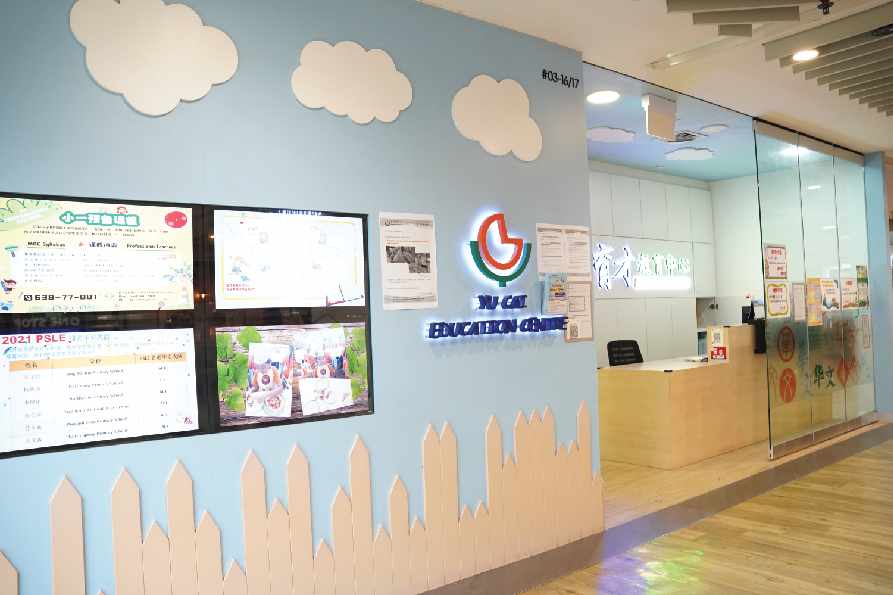
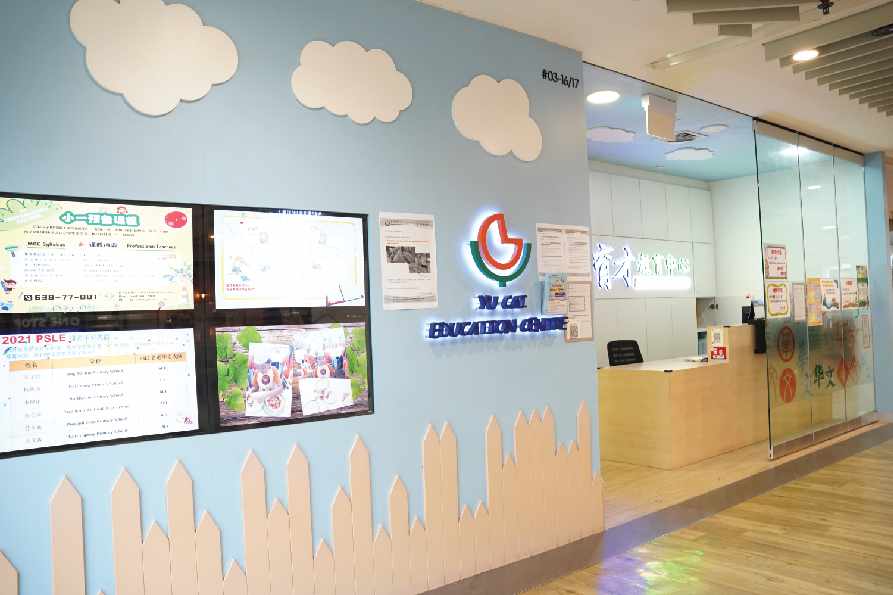
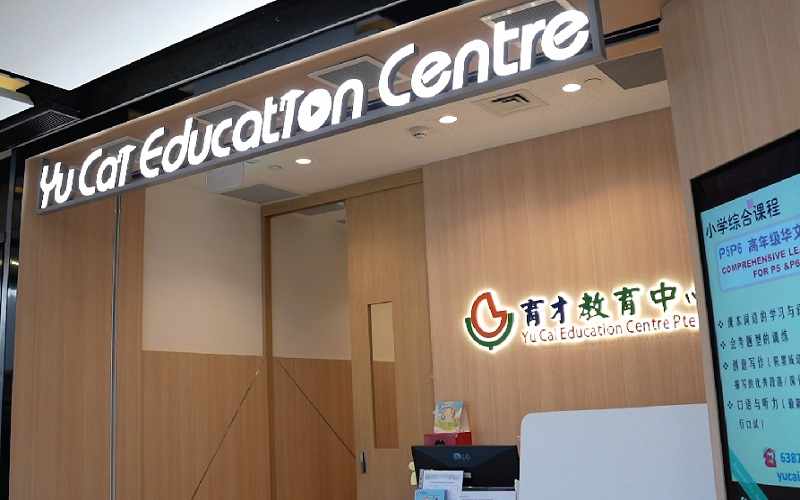
At Yucai, whether families come to us seeking Chinese tuition Yishun or Chinese tuition Sengkang, our philosophy is rooted in community-based learning. We see ourselves as neighbours first. Our goal is to be a supportive extension of your family’s efforts, providing a space where patience and encouragement are as important as pedagogy.
We believe in nurturing not just academic competence, but a genuine connection to the language. It’s about replacing “I can’t” with “Let me try.” When you find a local centre that aligns with this mindset—where your child feels seen, understood, and motivated—you’re not just investing in better grades. You’re investing in their confidence and their lifelong relationship with learning. And that’s a success that goes far beyond any single report card.



Write a comment ...